
Ana Abashidze – Georgia
Investigating the relationship between human behavior, urban transformation, and the invisible systems that shape spatial experience
Federico Violato – Italy
Exploring environmental systems, consumption patterns, and the spatial consequences of contemporary lifestyles
Pembe Birinci - Cypruss
Interested in collective space, coexistence, and architecture's role in creating dialogue across divided environments
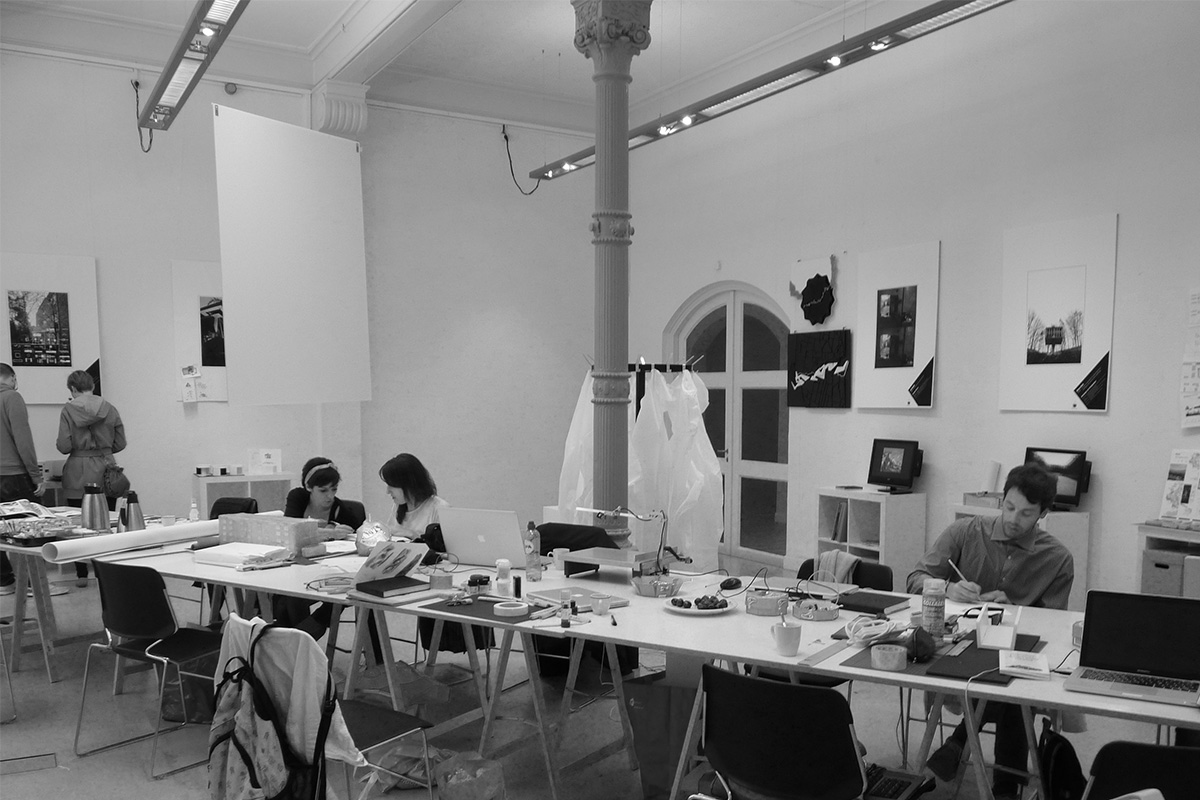
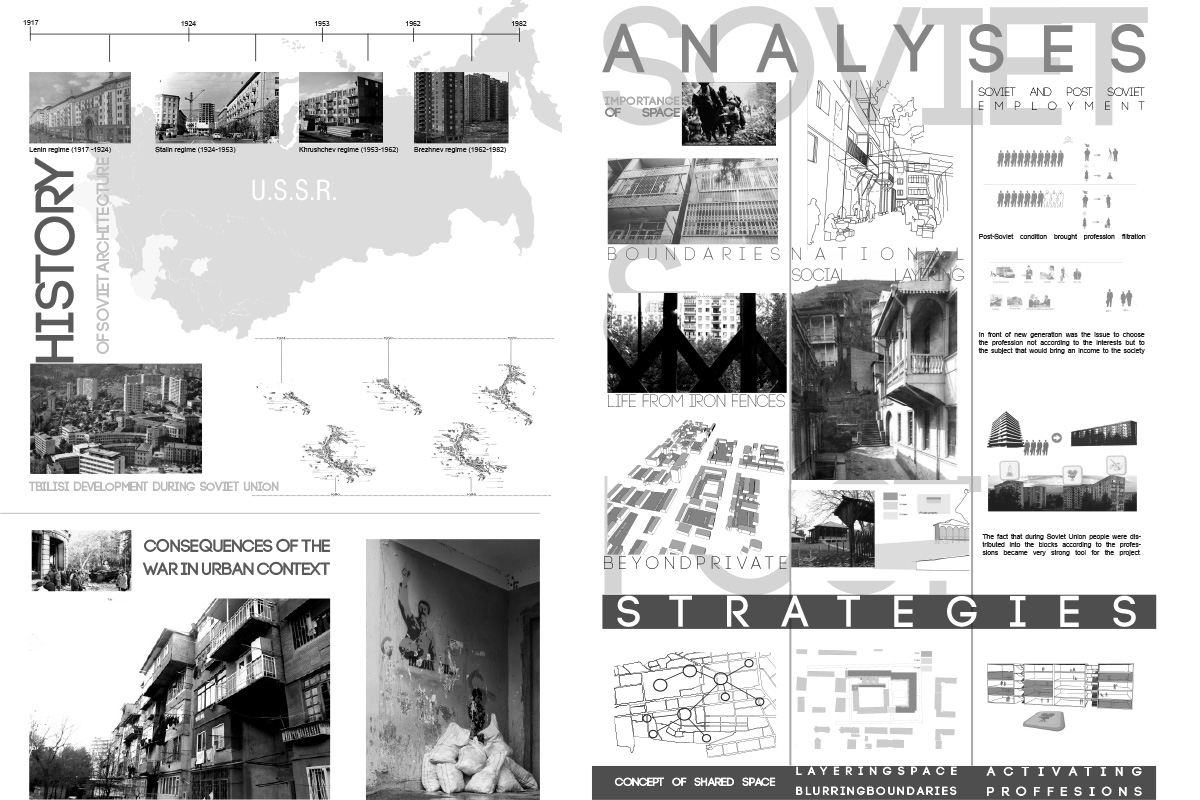
Working between built space in Soviet and post-soviet era visible and invisible system. Understanding the potential of chaos and order in the city of Tbilisi.
Ana Abashidze
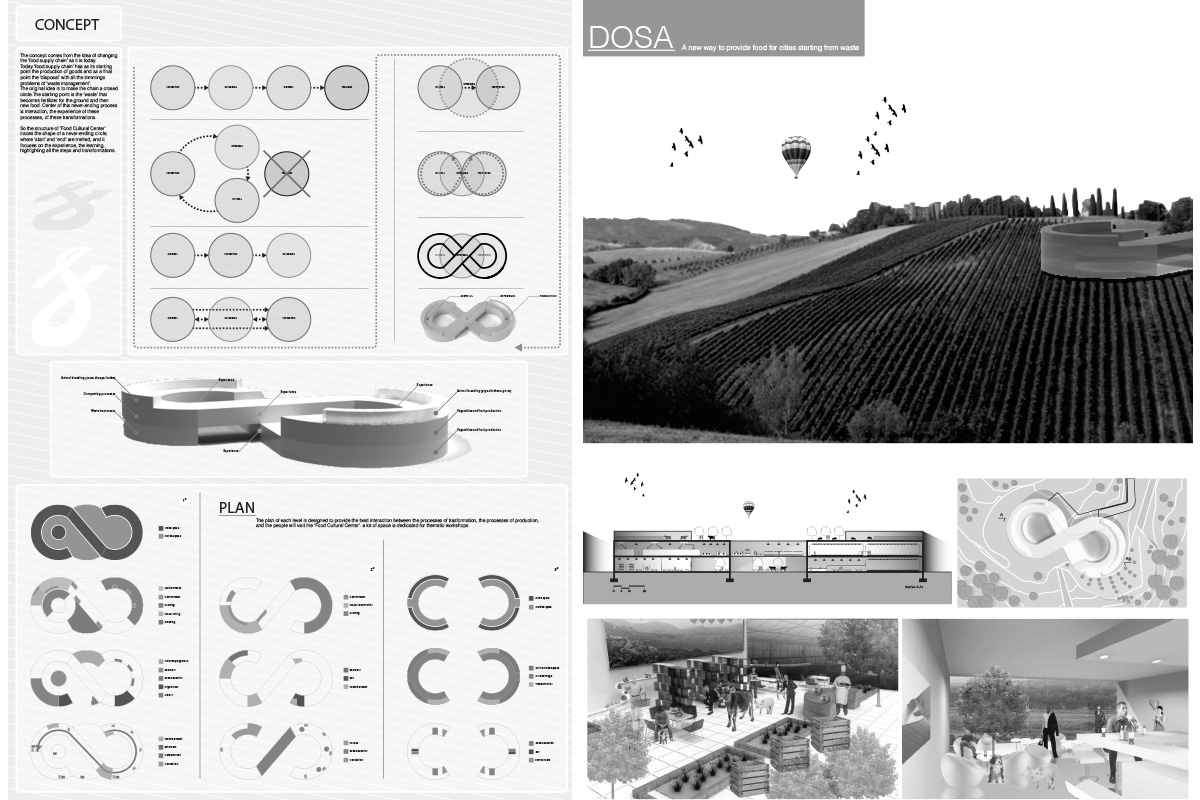
Exploring the consequences of food consumption, pollution in atmosphere, soil and surface and inner waters. As a waste production transformed into the research Utopian Design.
Federico Violato
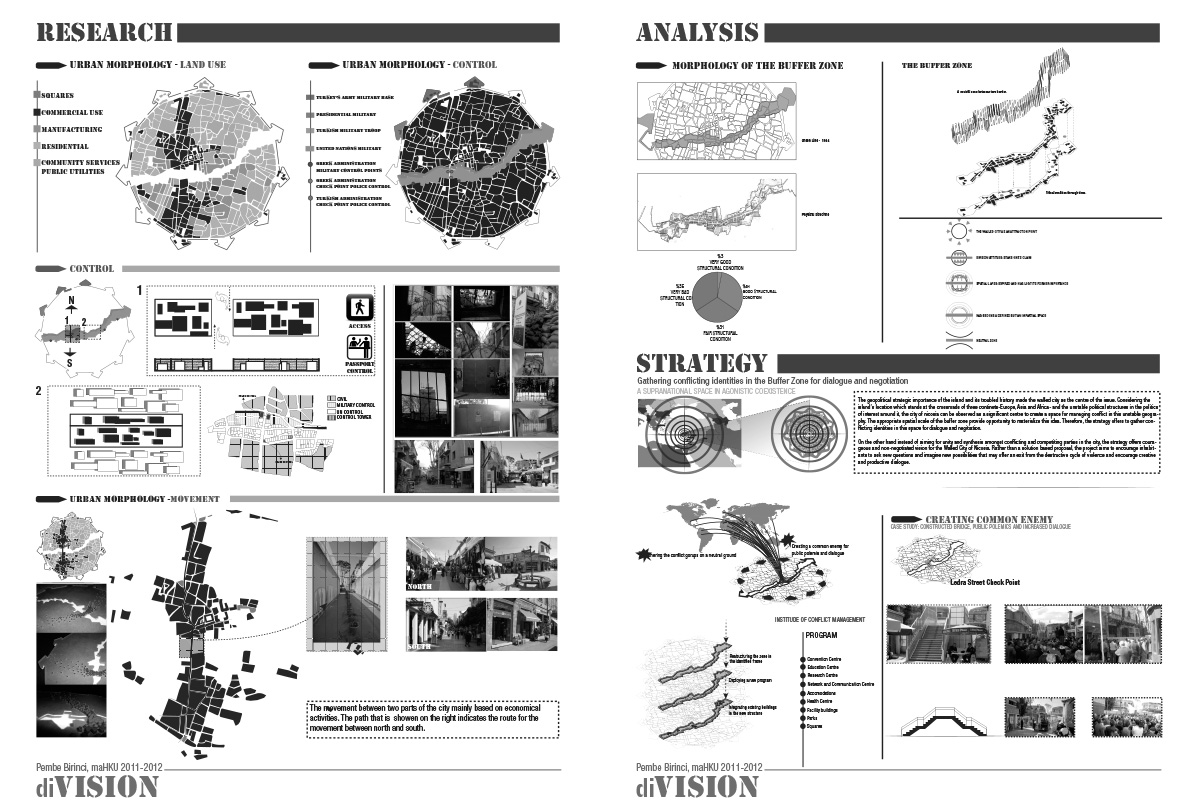
Researching the walled city of Nicosia and it’s buffer zone which exists as a division of the city she identified the dynamic space in the rigid structure
Pembe Birinci